When considering the foundation of these umbrellas, many models are equipped with robust bases that provide stability in windy conditions. This feature is crucial for outdoor use, as it ensures that the umbrella remains securely in place, preventing it from being easily toppled by gusts of wind. Additionally, some HOA umbrellas offer a tilt mechanism, allowing users to adjust the angle of the shade as the sun moves throughout the day, further enhancing their functionality. This adaptability ensures maximum comfort, providing shade when it is needed the most.
The grain structure of oak provides both beauty and functionality. The prominent grain patterns that make oak visually distinctive also contribute to its strength by distributing forces along natural growth lines. This inherent structure helps oak umbrellas withstand the repeated opening and closing that would weaken lesser materials.
Extended amenity seasons represent perhaps the most significant benefit. Quality HOA umbrellas with appropriate features can make outdoor spaces comfortable during intense sun, light rain, or cooler temperatures. This extended usability directly impacts resident satisfaction by keeping community features operational during conditions that would otherwise limit their use. Many associations report 30-40% longer pool and recreation area seasons after investing in proper commercial umbrellas.

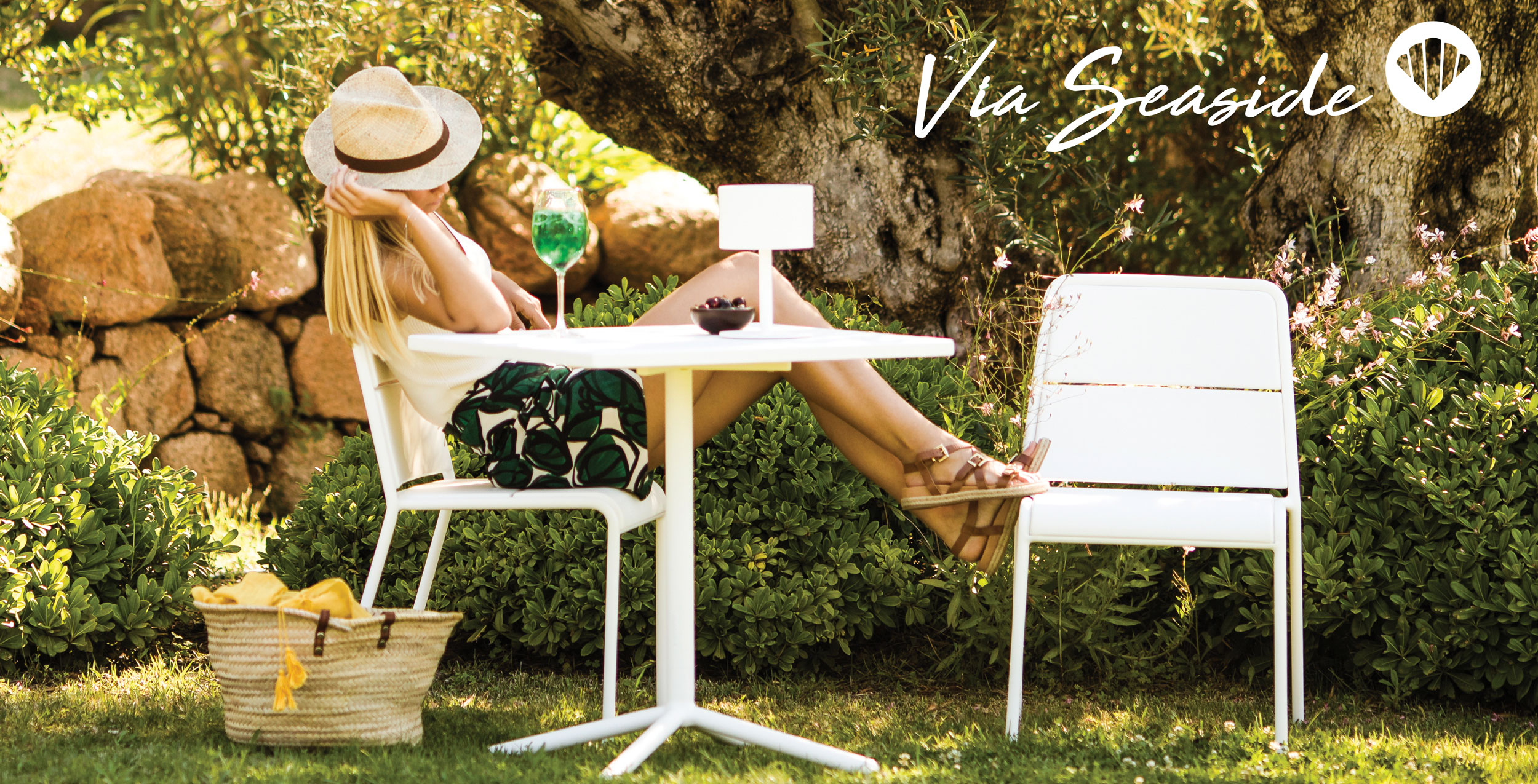
Teak wood umbrellas offer numerous practical advantages that translate to real value for users. These benefits explain why many Seaside Casual Furniture USA consumers choose to pay a premium price for teak models compared to synthetic or metal alternatives.
Ease of maintenance simplifies care routines. Sunbrella fabric’s inherent properties allow for easy cleaning with basic household solutions, reducing the time and effort required to maintain a fresh appearance. This low-maintenance quality makes Sunbrella umbrellas particularly Grosfillex Furniture Wholesale and Retail attractive for busy households, hospitality settings, and environments where reliable performance is essential without extensive upkeep.
Size selection balances coverage needs with practical limitations. While larger umbrellas cover more area with fewer units, they also create challenges for storage, movement, and wind resistance. Most restaurants use a combination of sizes – perhaps 9-foot models for standard four-tops and larger 11-13 foot versions for communal tables or expanded seating groups. The height must allow comfortable clearance for standing guests and servers while remaining low enough to provide effective shade.
Workability represents another major advantage. Despite its hardness, oak can be precisely shaped, turned, and joined using traditional woodworking techniques. This allows craftsmen to create elegant, refined umbrella components with clean lines and smooth transitions between parts. The wood accepts finishes well, allowing for both natural treatments that highlight the grain and colored stains that complement specific design schemes.
Leave a Reply